Shopping cart
0
Shopping cart is empty.


In the fascinating realm of jewelry and gemstones, mystery and beauty meet in a subtle dance between art and the wonders of nature.
Since ancient times, people have been enchanted by the brilliance and rarity of these treasures, seeking ways to bring them to the center of their creations. But the real magic often lies in the processes that transform these stones into priceless and durable jewels.
Thermal treatment of jewelry allows the expert jeweler to carefully sculpt works of art from raw gemstones, bringing out their full potential. These procedures, carefully performed and in accordance with the highest quality standards, eliminate or minimize imperfections, thus enhancing the beauty and brilliance of the stones.
Colors become more vibrant, clarity improves, and fragility is reduced. Thus, gemstones acquire new characteristics and qualities that make them shine in jewelry. But behind this modern alchemy lies expertise and deep knowledge of the materials and processes involved.
Heat treatment requires not only technical skills, but also a deep understanding of the chemistry, temperatures and optimal times for each type of stone. This level of precision and knowledge is essential to ensure that the resulting jewelry will not only be beautiful, but also durable.
Thermal treatment of gemstones serves a complex purpose in the field of jewelry. The treatment processes aim to improve the quality and marketability of the stones by:
- Îimproving clarity: Heat treatment removes inclusions or surface imperfections in the stones, increasing their clarity.
- Intensifying or revitalizing color: Some gemstones may exhibit unwanted color variations or tones. Heat treatment is used to even out the color, thus revealing a completely spectacular hue.
- Îimproving durability: If the stones exhibit certain cracks, this can be stabilized by heat treatment. This process gives the stone a high level of resistance to cracks, thus extending its lifespan.
The application of heat treatment to gemstones is a procedure that varies depending on the specific type of stone and the objectives for which it is applied.
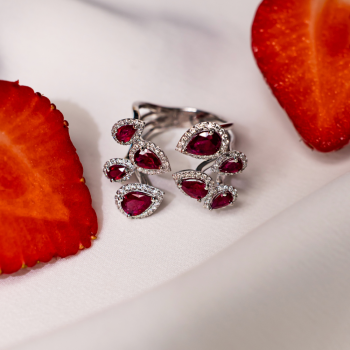
This gemstone is part of the red variety of the mineral corundum, and to be considered a genuine ruby, it must have a distinct red color.
One of the main objectives of heat treatment of rubies It is about enhancing the color. By heat treating rubies, they are subjected to high temperatures, removing brown or purple hues and giving them a purer red hue. In addition to enhancing the color, this process helps to remove fine rutile inclusions, known as "rutile silk", which make the stone appear lighter and more opaque.
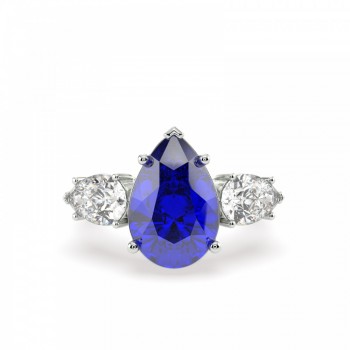
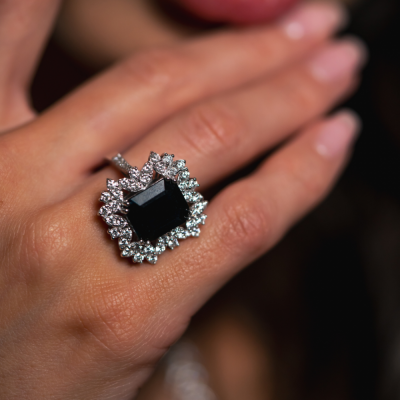
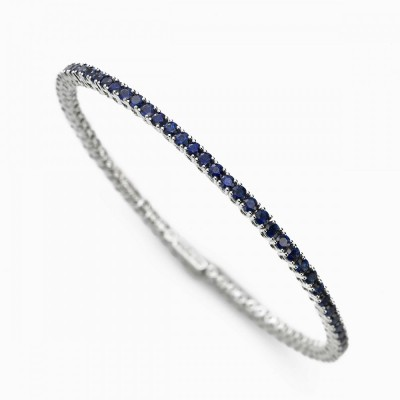
Sapphire is a gemstone with an amazing diversity of colors. Although it is often associated with shades of sky blue, sapphire can be found in a variety of shades, from purple and dark blue to green, pink and yellow. This diverse palette of colors is due to the impurities found in its composition.
In most cases, sapphires are heat-treated to improve color saturation and remove fine inclusions. By exposing sapphire to high temperatures, amazing transformations can be achieved.
Sapphire with light blue hues can become intense in color, giving jewelers the opportunity to create pieces with vibrant and eye-catching hues. This process also transforms sapphires with pale yellow hues into deep yellow ones, thus expanding the variety of options for jewelers.
The heat treatment also helps to eliminate inclusions, making them appear clearer and brighter.
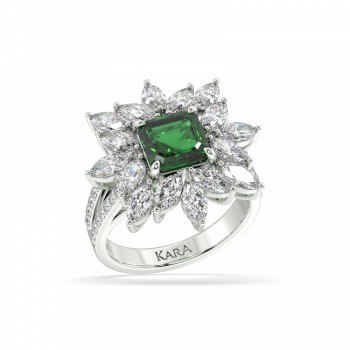
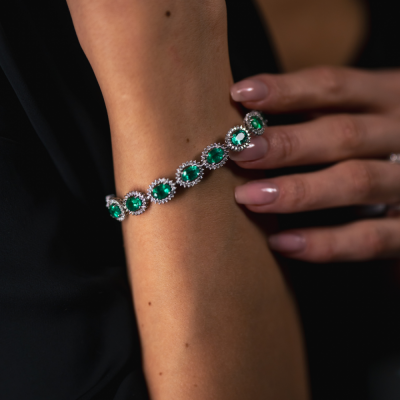
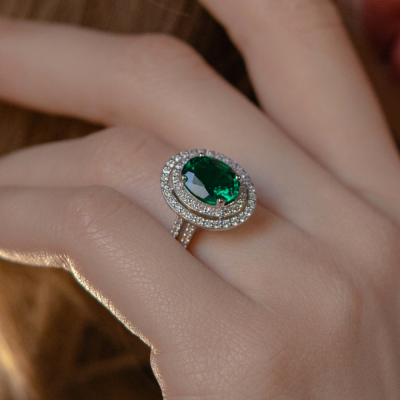
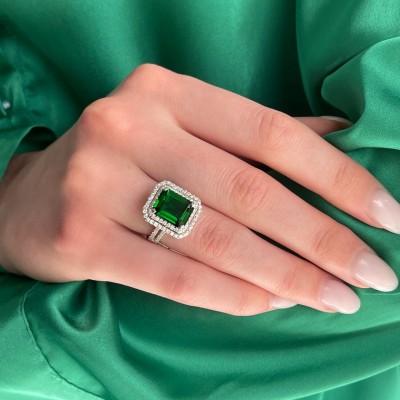
The emerald, known for its distinctive green color, is a gemstone with special qualities, but also with certain vulnerabilities. However, to fully understand the importance of heat treatment in emerald, we need to take a closer look at its characteristics and how this process can enhance them.
One of the characteristics of emerald is the frequent presence of inclusions, even at the microscopic level. These imperfections can make emerald relatively fragile, with a hardness of between 7.5 and 8 on the Mohs scale. Thus, special and careful processing is required.
Therefore, a specific cut for emerald has been developed, which brings out the beauty of this gemstone, while minimizing the internal stresses that may occur after mounting.
There are situations in which emeralds are chemically treated or undergo a filling treatment with certain oils or artificial resins to eliminate surface imperfections and considerably improve the clarity of the stones. In other words, the brilliance is enhanced, the presence of cracks is minimized, and the overall appearance of the stone becomes flawless.
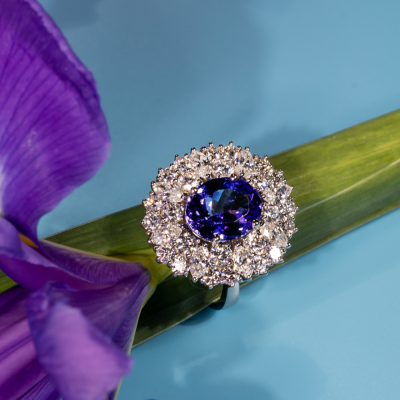
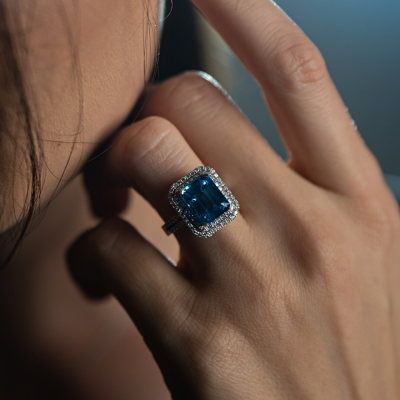
Tanzanite, an extraordinary gemstone, is known for its unique color, ranging from light blue to deep blue-violet. In its natural state, tanzanite has a color that varies between brown and olive, far from its later brilliance. This transformation into a stunning stone is achieved through a delicate heat treatment.
This involves heating at low temperatures to eliminate a brown component, thus allowing a more vibrant blue-violet color to appear.
The result is spectacular, and tanzanite becomes a vividly colored stone with an irresistible brightness.
Topaz, a true gem in the world of gemstones, shines in a fascinating spectrum of colors, from delicate shades of blue, green and pink to more intense variations of yellow and orange. It is one of the most enigmatic stones, due to its complex chemical composition and mysterious history.
Topaz has a strong connection with heat treatments, which have been used over time to modify its colors, but also to enhance its clarity.
ÎIn the case of yellowish-pink topaz, heat treatment has the effect of eliminating yellow tones, resulting in an intensification of the pink color. This process is also applied to control and enhance the blue shades in topaz.
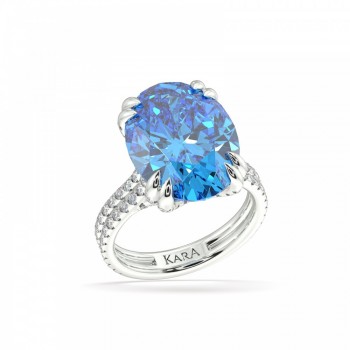
ÎIn the case of blue topaz (initially colorless), it undergoes an irradiation process, followed by heating, to produce the desired shade.
Transparency in communication with customers is a fundamental principle in the jewelry industry. This not only builds trust and loyalty among customers, but also allows them to make informed decisions and truly appreciate the beauty and value of gemstones.
The main reason for heat treatment is to enhance the appearance of the stones. Many customers seek vibrant, intense colors in jewelry, and heat treatment can enhance and even modify the natural hues of the stones, giving them a lasting shine. However, it is important to note that not all gemstones are heat treated, and transparency in their labeling is important.
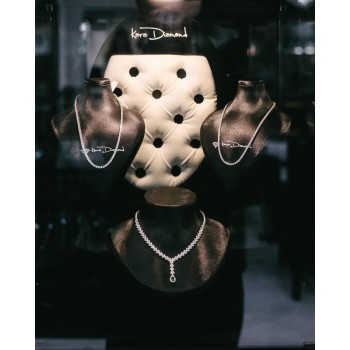
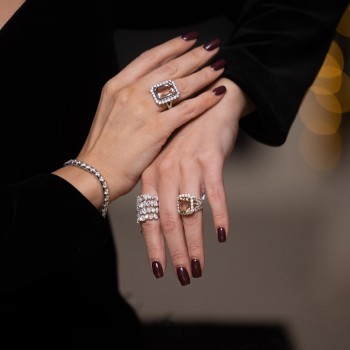
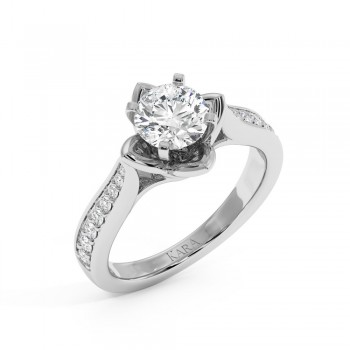
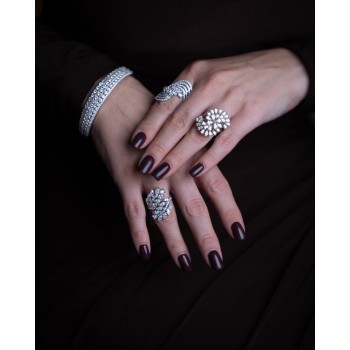
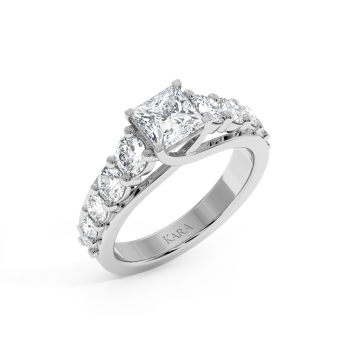
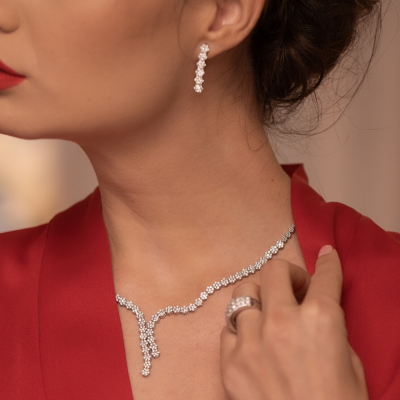
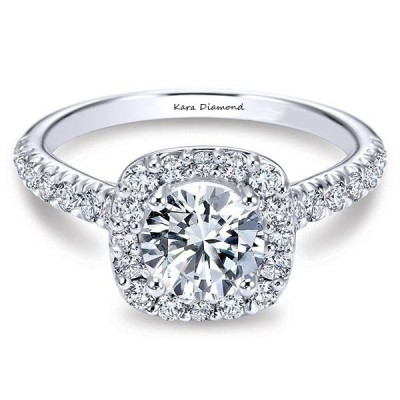
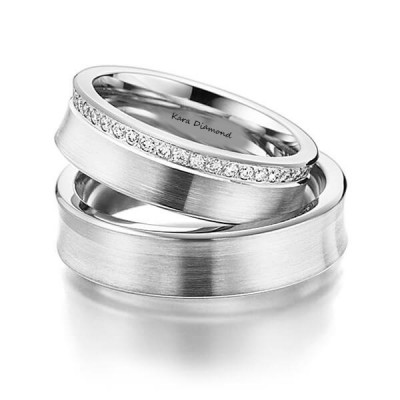
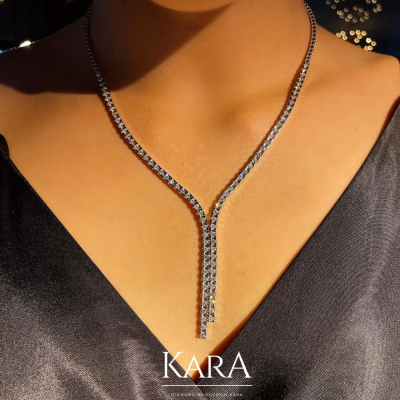
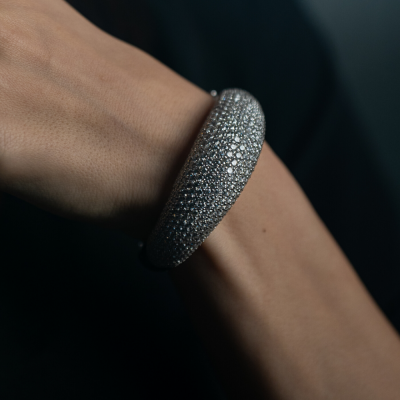
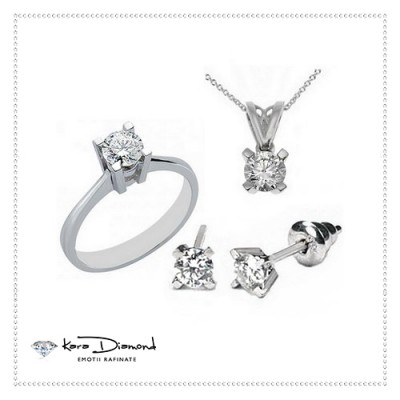
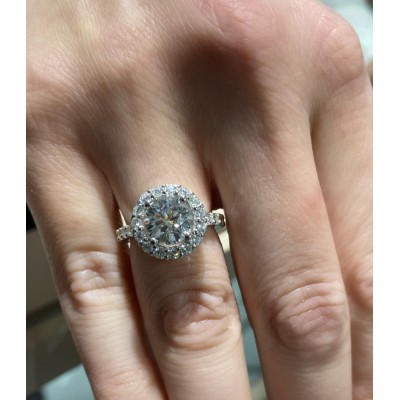
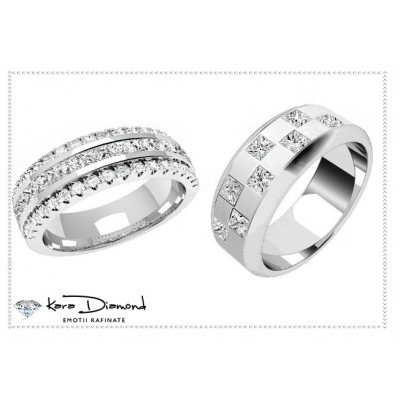
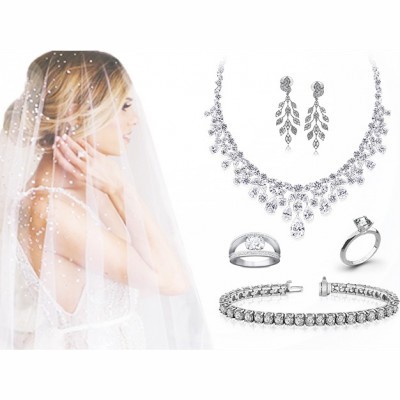
The Kara Diamond brand is known and appreciated for its exquisite creations that always manage to satisfy the highest standards of its customers. From diamond and gemstone rings to sophisticated earrings, necklaces and bracelets, the Kara Diamond brand offers a diverse portfolio of unique jewelry, each creation representing a unique story of elegance, beauty and authenticity.
We strongly believe that every customer should have access to complete information when purchasing gemstone jewelry.
We are extremely careful about the authenticity of gemstones. When certain heat treatments are used, we ensure that this information is clearly and honestly communicated to our customers. In addition, we are always available to answer customer questions and provide further clarifications regarding our products.
Transparency remains a central pillar of our mission to provide customers with jewelry that will remain a source of joy and admiration for generations.
Come to the Kara Diamond Showroom to discover our collection of diamond and gemstone jewelry!