Shopping cart
0
Shopping cart is empty.

In an ever-changing world, few objects manage to retain the same significance over decades or even centuries. Jewels are among those rarities that not only survive time, but transcend it. They become part of a family's identity, part of the story of those who have worn them and symbols of love, strength and elegance.
Diamonds, sapphires, emeralds and rubies are considered the 'royal stones' of the world. Each one tells a story, each one carries a unique energy and each one can undoubtedly become a jewel to be passed on - because true gems belong not only to the present, but also to the future.
Thro throughout history, the four major gemstones have acquired a timeless aura. They are not only beautiful, they are durable, rare and meaningful.
Diamonds - symbol of love and elegance
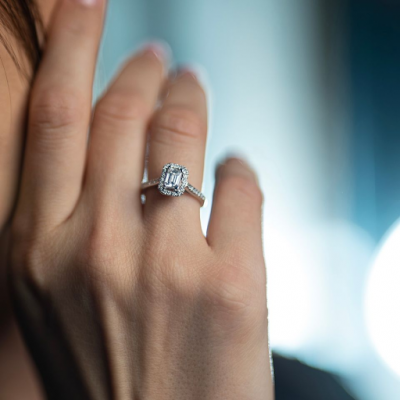
Diamonds have fascinated mankind for centuries. Formed under extreme pressure, they are a pure symbol of resilience. They don't scratch, they don't lose their sparkle and they quickly become perfect heirlooms.
Emeralds - the royal stones of wisdom and longevity
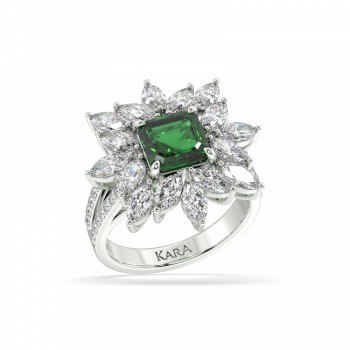
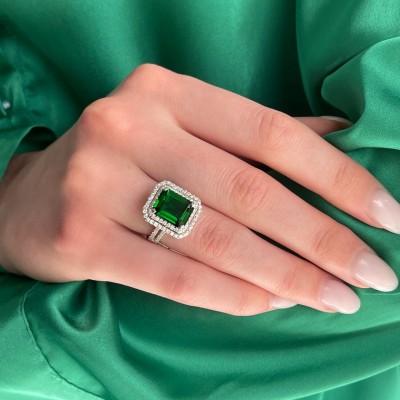
Emeralds have adorned crowns, tiaras and royal jewelry throughout the ages. They are prized for their unique color and noble appearance.
Sapphires - loyalty and wisdom
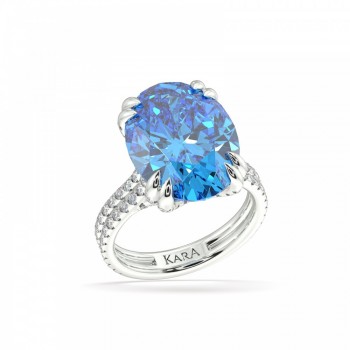
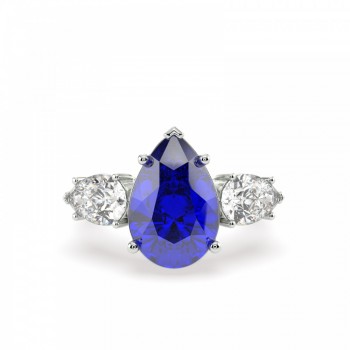
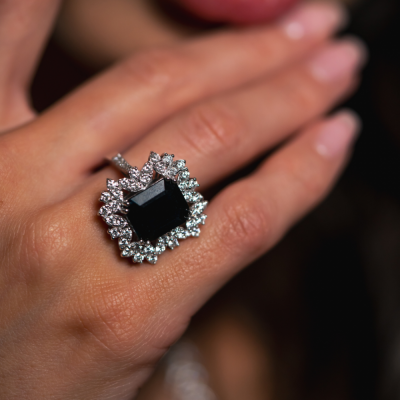
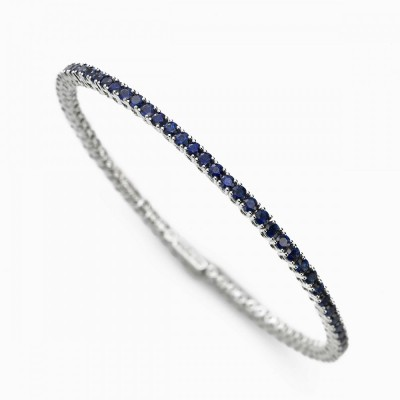
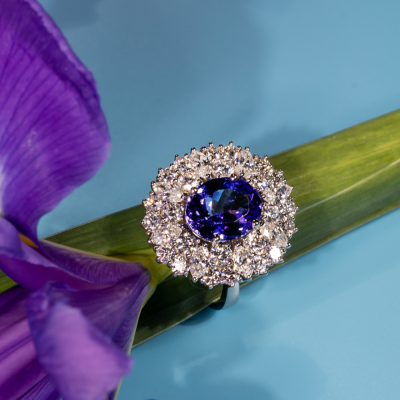
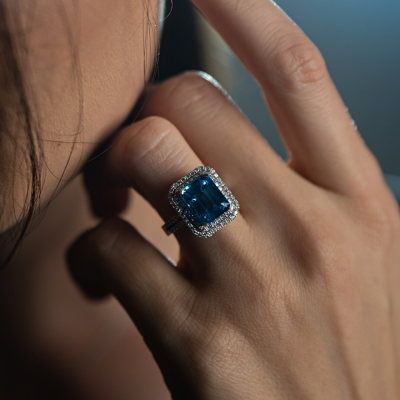
Blue sapphire has been the favorite choice of royal houses for centuries. It is considered the stone of loyalty, wisdom and inner balance.
Rubies - symbol of passion, power and royalty
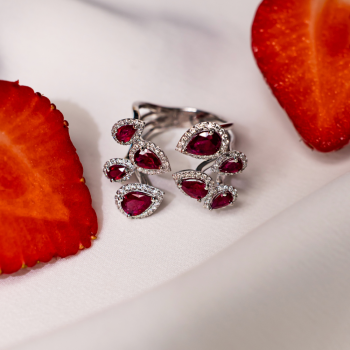
Ruby, with its deep red color, is seen as a stone of deep love, prosperity and power. It is perhaps the most regal of all gemstones.
The heritage of jewelry is not a modern invention. It's a tradition as old as civilization itself, and European royal houses are the custodians of some of mankind's most valuable treasures.
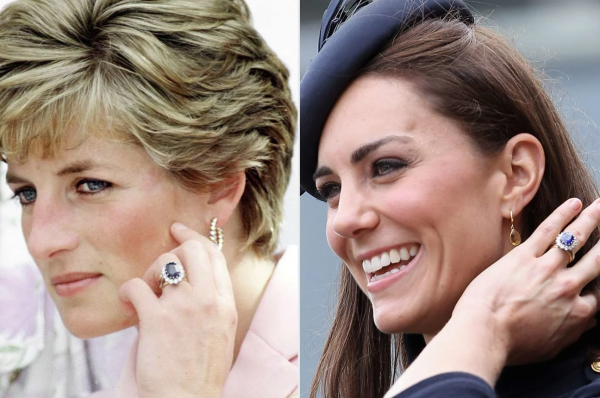
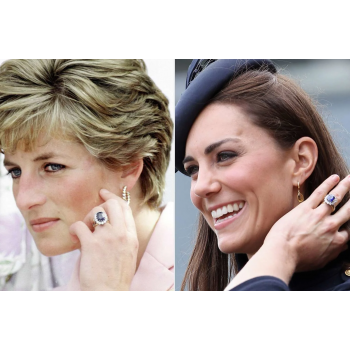
Photo: Tim Graham Photo Library via Getty Images; Chris Jackson/Getty Images Kate Middleton and Princess Diana wearing the same engagement ring
Princess Diana's engagement ring is one of the most recognizable jewels in modern history. Created by the House of Garrard in 1981, it features a 12-carat oval sapphire, surrounded by 14 round diamonds, set in 18K white gold. The intense color of the sapphire and the elegant design made this piece not only a symbol of engagement, but also an emblem of royal refinement and elegance.
Diana chose this ring for its timeless beauty and the emotional connection it had with the shade of blue - it was reminiscent of her mother's eyes. Over the years, the ring has become a global symbol of modern romance, photographed and admired around the world.
After the passing of Princess Diana, the ring was used by Prince William to propose to Catherine, Princess of Wales, thus maintaining an emotional and symbolic link between generations. Today, the ring is not just a valuable piece of jewelry; it is an emotional and historical legacy, a symbol of love, of the continuity of the royal family and of elegance that endures through time.
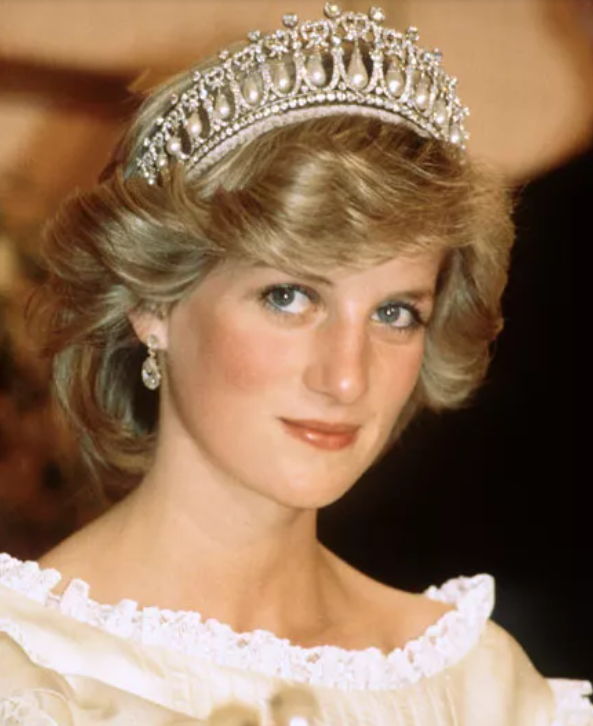
Photo: Anwar Hussein/Getty Images
The Cambridge Lover's Knot tiara is one of Britain's most iconic royal jewels, worn for generations and recognized for its classic sophistication and profound symbolism. It was created in 1913 for Queen Mary, wife of King George V, by Garrard's Jewellers, the official jewellers to the British Crown. The design, inspired by 'lover's knots', reflects devotion, fidelity and romantic bond, harmoniously combining the sparkle of diamonds with the delicacy of pearls.
After Queen Mary, the tiara was worn by Queen Elizabeth II, cementing its status as a benchmark piece of Crown jewelry. Princess Diana has chosen to wear it on formal occasions, and now Catherine, Princess of Wales, displays it gracefully at major events such as royal receptions and banquets.
The look of the tiara is stately yet elegant, each knot of diamonds and pearls carefully balanced to create a sophisticated visual effect. The love knots symbolize the bond between generations, fidelity to tradition and dynastic continuity, and its timeless design allows it to remain relevant even after more than a century.
The Cambridge Lover's Knot tiara is not just a royal accessory; it represents dynastic continuity, classic elegance and royal femininity, the emotional link between generations and the historic legacy of the British Crown.
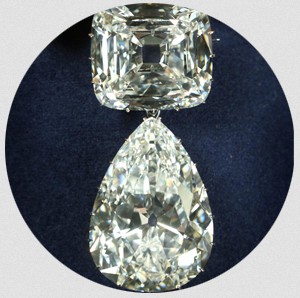
Photo by Peter Macdiarmid/Getty Images
Among the most precious creations of the British Royal Household are the famous Cullinan III and Cullinan IV, two historic diamonds that together total 158 carats - a true testament to craftsmanship and rarity.
Cullinan III, a 94.40 carat pear-shaped diamond, and Cullinan IV, a 63.60 carat cushion cut diamond, are the largest stones given to Queen Mary since the famous Cullinan cut. Originally known as the 'Lesser Stars of Africa', these two gems were later affectionately known as 'Granny's Chips'.
In 1911, Garrard & Co. mounted the Cullinan III and IV in a crown specially created for the coronation of King George V. Ingeniously, the settings were made so that the diamonds were removable, allowing Queen Mary to wear them in other forms: as pendants for the famous Coronation Necklace, as pieces in the Delhi Durbar Tiara or as brooches, combined in a spectacular silhouette.
Queen Mary loved these two diamonds deeply - she often wore them together as a pendant brooch, both at family and state occasions, giving them a special emotional significance. After her death in 1953, Cullinan III and IV were inherited by her granddaughter, Queen Elizabeth II, earning them the beloved nickname 'Granny's Chips'.
Today, these two diamonds remain among the most recognizable jewels of the British monarchy - symbols of history, continuity and the link between generations.
It is not only diamonds that have made history in royal collections. Over the centuries, emeralds and rubies have played an equally important role in defining dynastic prestige, power and continuity. Two of the most impressive examples come from Scandinavia, where Denmark and Norway preserve some of the finest gemstone settings in Europe.
In Denmark, one of the most valuable treasures is the Danish Emerald Set, part of the Crown Jewels on display at Rosenborg Castle. This magnificent set includes massive historic emeralds set in gold and silver in a combination reflecting the classical elegance of centuries past.
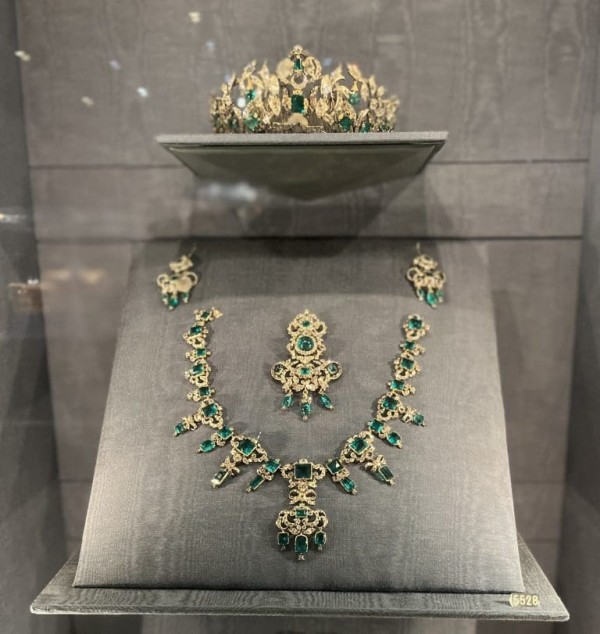
Photo: Royal News
The tiaras, necklaces, earrings and brooches in this set are worn exclusively by reigning queens, symbolizing the continuity of the monarchy and the tradition handed down from generation to generation. Each emerald bears the traces of a rich history: imperial balls, coronation ceremonies and moments of diplomatic importance.
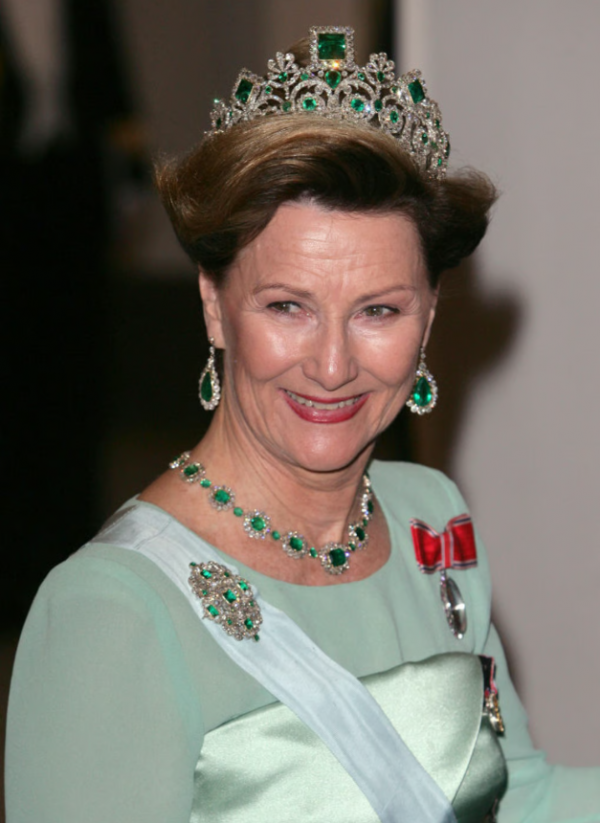
Queen Sonja of Norway wearing the Emerald Parure Tiara. Photo: Getty Images
One of the most spectacular and steeped in history royal jewelry sets is the Norwegian Emerald Parure, an ensemble that perfectly exemplifies the timeless elegance and profound symbolism of gemstones passed down through the generations.
Made in 1840, the set today includes a majestic tiara, a magnificent necklace, a pair of earrings and a brooch, all decorated with intense green emeralds and sparkling diamonds. The term parure comes from the French word for "ornament" and is used to refer to a coordinated set of jewelry, usually made up of three pieces.
Originally the Norwegian Emerald Parure consisted of a tiara, necklace and brooch, but over time two of the emeralds from the necklace have been extracted to create the current earrings, completing the ensemble in a harmonious and elegant manner.
The set bears the signature of master jewellers Marie Étienne Nitot and François Regnault, official jewellers to the court of Napoleon Bonaparte and founders of what would become the prestigious Chaumet jewelry house.
The first owner of this exceptional set was Empress Joséphine, Napoleon Bonaparte's first wife. The pieces then passed through the hands of several European royal families, finally ending up in the Norwegian royal collection, where they are still kept today.
In Norway, the parure has become a symbol of the continuity and elegance of the monarchy. It is worn most often by Queen Sonja during state visits, official dinners and high-ranking ceremonies. Its spectacular emeralds, with antique cuts and deep shades, give it an air of classic royalty that is hard to match in the world of historical jewelry.
As well as emeralds, Denmark has another famous treasure - the royal ruby sets, worn for centuries at official ceremonies. Queen Margrethe is often associated with these spectacular pieces - wide necklaces, precious brooches and richly ornate tiaras.
Danish rubies are often on display at national exhibitions of Crown Jewels, occupying a central place in the story of royalty. As stones of passion, courage and loyalty, rubies have become symbols of Danish royalty, worn at defining moments for the nation.
It's not just queens who leave behind valuable jewels. In contemporary families, heirlooms can be just as precious:
These objects become symbols of a family's love, identity and tradition - small sentimental treasures that never lose their value.
Extreme durability
Diamonds and sapphires can easily last for centuries. Rubies are almost as hard and emeralds, although more fragile, retain their value forever.
Rare and unique
Natural stones cannot be recreated. Their rarity increases with the passage of time.
Elegance across generations
A solitaire diamond ring, a sapphire necklace or an emerald tiara retains its relevance even after 200 years.
Carrying a story
An inherited piece of jewelry is an emotional archive: it preserves the memories, energy and emotion of those who have worn it before.
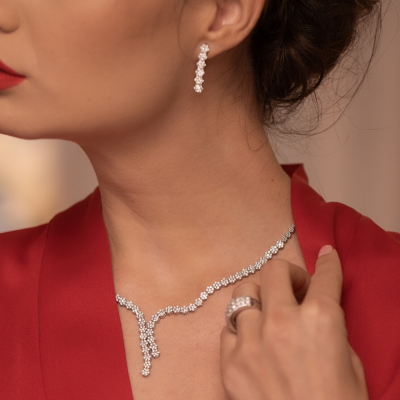
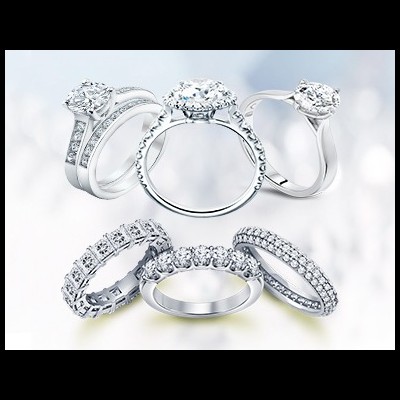
Jewelry is stories, symbols of love, expressions of identity and precious heirlooms. They give you beauty in the present and value for the future.The pieces that best cross generations are those with timeless designs:
These pieces never go out of fashion and hold their value over time.
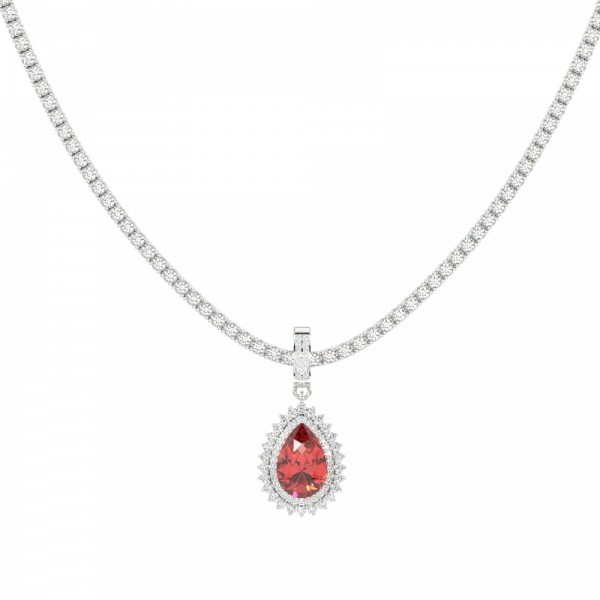
Discover our diamond and gemstone jewelry collections at Kara Diamond or visit us in our showroom in Arhitect Ion Mincu 33, Sector 1, Bucharest, for personalized advice. Choose jewelry that will sparkle for a lifetime and tell your story to future generations.