Shopping cart
0
Shopping cart is empty.

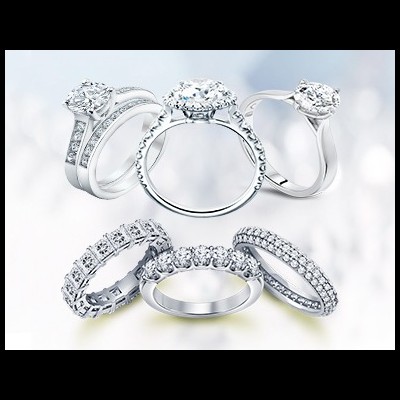
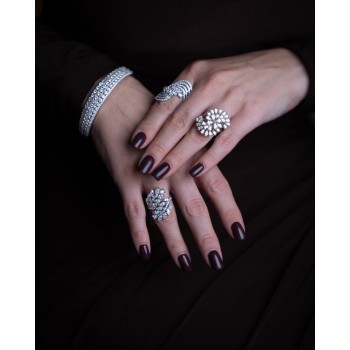
Thering you wear is a reflection of the style that defines you, and diamonds exert an indescribable kind of fascination on your mood.
Modern, classic or vintage? Solitaire or encrusted with dozens of side diamonds? White, yellow or rosegold?
Whichever of these features you choose, one thing is certain: your ring-it's your style!
There are a myriad of features and settings you can customize your ring by that can become, quite simply, overwhelming.
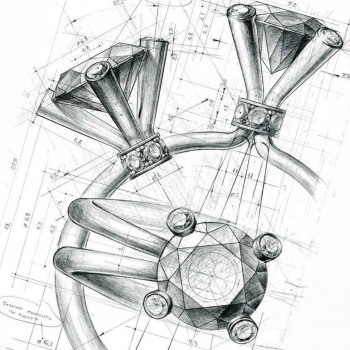
Kara Diamond is your devoted guide to the world of diamonds as we reveal the secrets to crafting a ring.
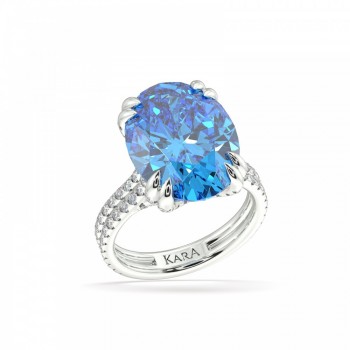
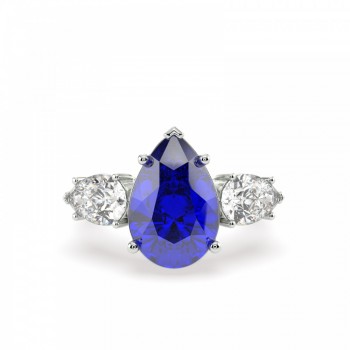
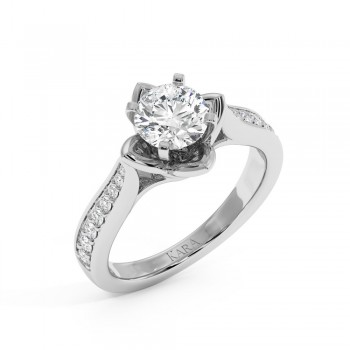
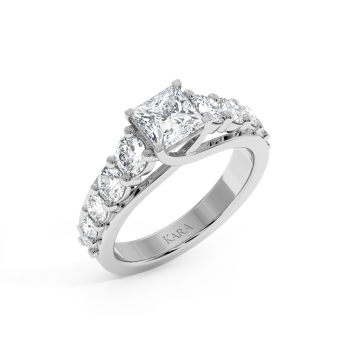
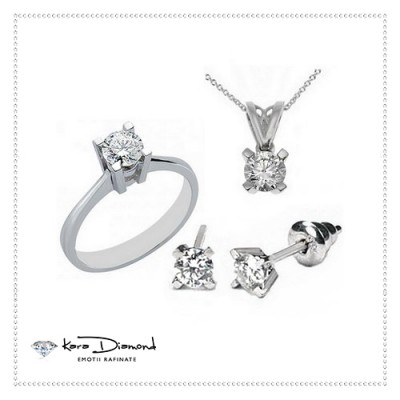
The most classic and common diamond setting, specific to solitaire rings or engagement rings, occurs when the jewelry is completely finished. The claws, which can be square, round, flat or V-shaped (characteristic of princess cut diamonds) are the extension of a basket to support the diamonds. Ranging in number from 4-6-8, the gold claws allow light to penetrate from all angles of the jewelry's positioning and the diamond reflects more brilliance.
If you have an active lifestyle, a diamond claw-set ring is the perfect choice and purchase, as diamonds do not snag on the fabric of clothes.


This method of diamond setting is called cat's eye setting. It is a much more complicated setting and requires the use of very precise tools for tracing and flawless drilling of the gold, which will be adapted to the size of the diamond to be set.
Like the claw setting type, this setting is ideal for active lifestyles and for ladies who practice all kinds of sports without sacrificing jewelry.


The name "tension setting" comes from the metal band that holds the diamond in a fixed position, suspending it between the two metal sides. With lasers used to calibrate the exact dimensions of the diamond, the jeweler easily cuts small grooves in the sides of the metal band, giving an extra dose of security and hardness to the diamond mounted on the jewelry.


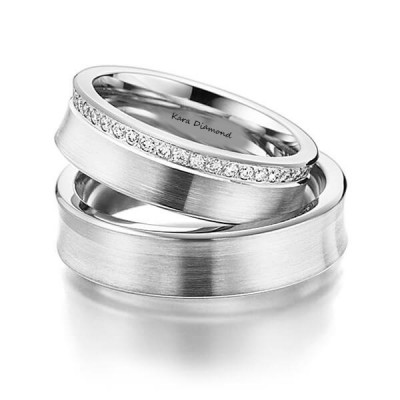
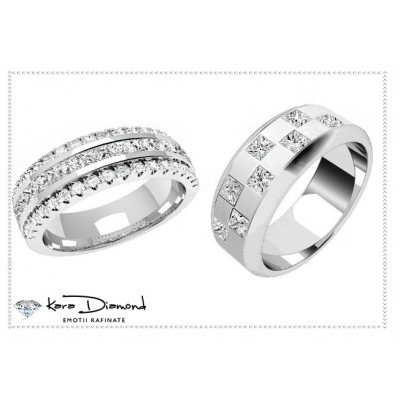
The channel setting is the most secure method of enriching a ring with multiple diamonds. Specific to eternity rings, the diamonds are set along the entire metal band of the ring, as close together as possible. Or, if your choice tips the scales in favor of channel-set diamonds, wedding rings with a larger center diamond will be the ideal choice to start your story.


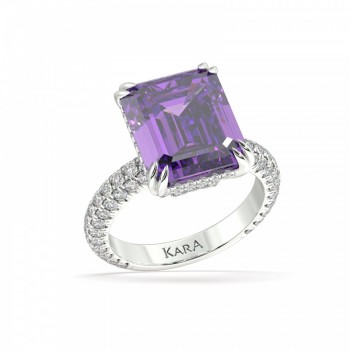
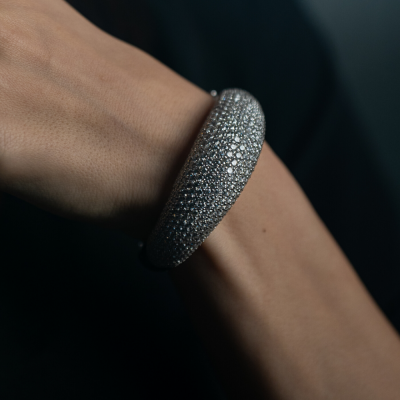
Derived from the French word "paver", which translates as "to pave", this setting is characterized by the small diamonds being tightly set in the precious metal claws with minimal visibility. Thanks to this mounting technique, the diamonds have a continuous shine. If you choose extremely small diamonds to personalize your ring, the setting will be micro-pavé.


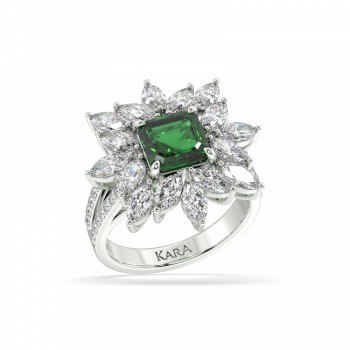
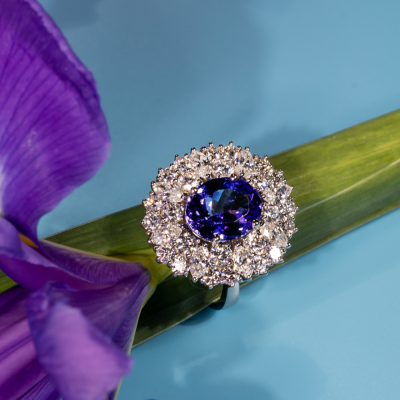
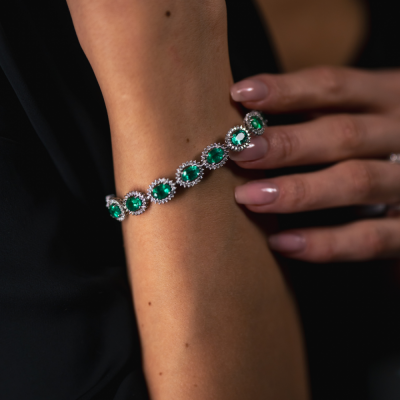
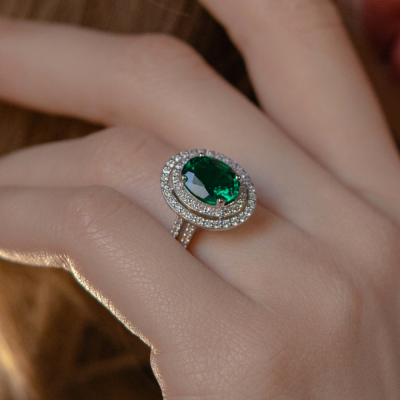
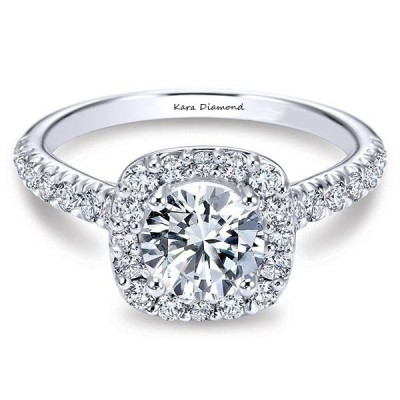
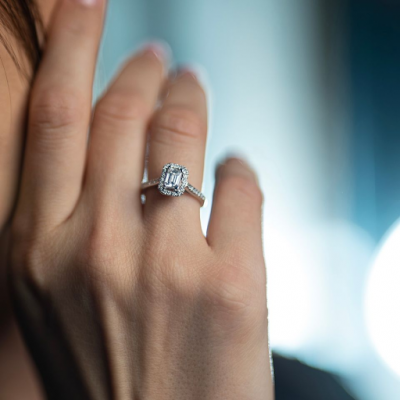
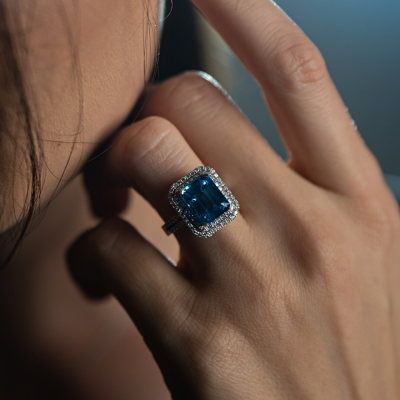
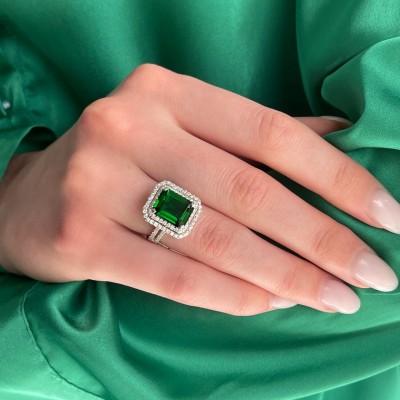
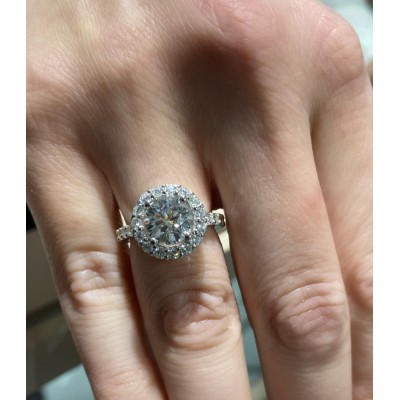
This method involves setting several gems around the center diamond. If your budget doesn't allow you to buy a ring with a single large diamond and you want your jewelry to be an eye-catcher, the circular setting is ideal because it makes the center diamond appear much larger than it really is. A double circular setting involves two concentric rows of diamonds, in this case in combination with the pavé setting.


One of the most beautiful and elegant, the cathedral setting is the ideal choice when buying an engagement ring. Similar to cathedral arches, jewelry set by this method includes two gold supports to accurately secure the diamond and give it an extra dose of support. The springs add height to the diamond and can be set horizontally, spiked or in tension mode.


Unlike the channel setting, the bar setting of diamonds involves gold pads all the way to the top of the diamond, separating each inset to highlight them.


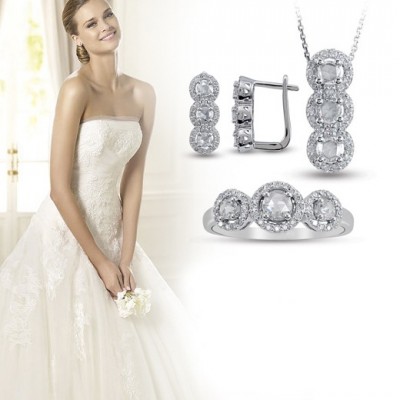
The three-stone setting is versatile, perfect for an engagement ring or anniversary. The three stones, set closely together, are said to symbolize the past, present and future of the couple. Usually the center stone is a round-cut or princess cut diamond, larger in size than the other two side stones. Depending on the design of your choice, we can customize the jewellery and the stones next to the diamond can be sapphires, rubies, emeralds or, why not, all three can be diamonds.